Featured

Exploring Debt Relief Options and How It Works Things To Know Before You Buy
Table of Contents
That liberates money in the short-term, and you might have 3 to four years to conserve toward the negotiation quantity. Very damaging to credit history, mostly because of missed out on repayments and an adverse "settled" mark that might remain on your credit history record for approximately seven yearsMay be just alternative if other options (financial obligation loan consolidation, equilibrium transfer bank card, financial obligation forgiveness) aren't possibleTypically requires a fee to the 3rd event, which might counter some or all of the financial savings from debt settlementMay help you stay clear of insolvency if you have actually missed out on several paymentsNot all creditors deal with financial obligation settlement firms Financial obligation forgiveness might be best for you if you are experiencing a monetary challenge that makes it almost difficult to pay down your debt balances.
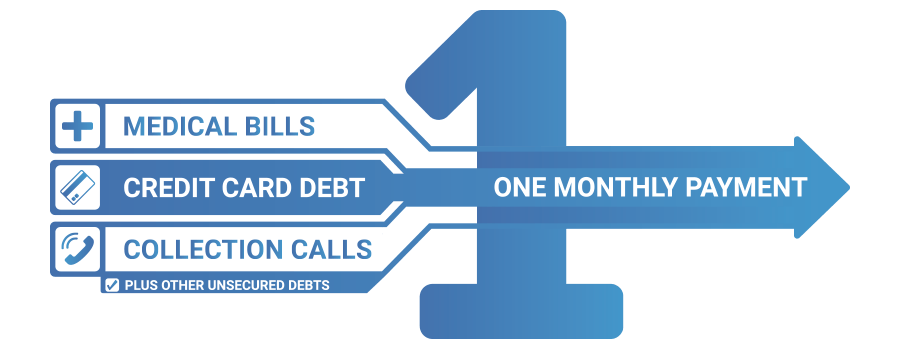
With a DMP, you make one monthly payment to the credit therapy company. Those funds are after that dispersed to lenders of your unprotected debts, such as bank card and installment financings. The firm deals with your lenders to reduce rates of interest or forgo costs, however some lenders might reject such concessions.
It can assist you pay down financial debt if you're able to safeguard a funding price that's reduced than the average rate of the accounts you're settling. You have to abstain from racking up financial obligation on those newly cleared accounts or your debt might grow even greater.
These cards frequently supply a 0% interest initial period of up to 21 months. That provides you lots of time to remove or significantly minimize your equilibrium while making interest-free settlements. For some people encountering insurmountable financial debt, personal bankruptcy may be the only way to stop collection procedures and lawfully resolve their debts.
Building Your Custom Why Low-Interest Loans Are a Lifeline for Veterans Navigating Civilian Life Plan - Questions
You may require it if your financial institution or a collection agency ever tries to gather on the debt in the future. When a lender forgives $600 or even more, they are required to send you Form 1099-C.
Financial obligation mercy or settlement almost constantly hurts your credit score. Anytime you work out a financial debt for less than you owe, it might look like "worked out" on your credit history report and affect your credit report for 7 years from the day of negotiation. Your credit report can likewise go down considerably in the months causing the mercy if you drop behind on payments.
The Buzz on Initial Consequences of Why Low-Interest Loans Are a Lifeline for Veterans Navigating Civilian Life Choices
This situation commonly results from underreporting revenue, not submitting returns on time, or discrepancies discovered during an IRS audit. The effects of accumulating tax obligation debt are significant and can include tax liens, which provide the IRS a legal insurance claim to your residential property as security for the financial debt.
Greater rate of interest prices on available credit scores. Wages and Bank Accounts IRS can levy (confiscate) wages and checking account to please the financial debt. Decreased income and disruption of crucial monetary processes. Property Seizure In extreme situations, the IRS can seize and market home to cover the debt. Loss of useful properties and possible displacement.
Depression, anxiety, and various other psychological wellness concerns. Social Preconception Dealing with lawsuit from the IRS can bring social stigma. Damage to reputation and relationships. Work Opportunities An inadequate credit history score because of tax debt can restrict employment possibilities. Difficulty finding or keeping a task. Federal government Benefits Tax obligation debt may influence eligibility for federal government benefits, such as Social Protection and Medicaid.
Frequent False Beliefs Surrounding Why Low-Interest Loans Are a Lifeline for Veterans Navigating Civilian Life Things To Know Before You Buy
The OIC considers numerous factors, consisting of the taxpayer's revenue, expenditures, property equity, and ability to pay. Successfully discussing an OIC can be complex, calling for a detailed understanding of the internal revenue service's guidelines and a strong disagreement for why your offer lines up with your capacity to pay. It is very important to note that not all applications are accepted, and the process needs thorough monetary disclosure.
The internal revenue service analyzes your general economic situation, including your earnings, expenditures, asset equity, and ability to pay. You need to likewise be existing with all filing and repayment demands and not be in an open personal bankruptcy proceeding. The IRS additionally considers your compliance background, evaluating whether you have a record of prompt filing and paying tax obligations in previous years.
7 Simple Techniques For Warning Signs When Evaluating Forgiveness Help
The application process for an Offer in Concession includes numerous thorough steps. You must finish and submit IRS Type 656, the Deal in Concession application, and Form 433-A (OIC), a collection details statement for people. These types need extensive economic information, including details concerning your income, debts, expenses, and properties.
Back taxes, which are unsettled taxes from previous years, can dramatically raise your total IRS financial debt if not attended to immediately. This financial obligation can accrue rate of interest and late repayment penalties, making the initial quantity owed much larger in time. Failing to pay back taxes can result in the IRS taking enforcement actions, such as providing a tax lien or levy versus your home.
It is necessary to address back taxes immediately, either by paying the sum total owed or by arranging a settlement plan with the internal revenue service. By taking aggressive actions, you can prevent the build-up of additional passion and fines, and protect against more aggressive collection activities by the internal revenue service.
One usual factor is the belief that the taxpayer can pay the sum total either as a round figure or through a layaway plan. The internal revenue service likewise thinks about the taxpayer's earnings, expenses, asset equity, and future earning capacity. If these factors suggest that the taxpayer can pay for to pay even more than the supplied quantity, the internal revenue service is likely to turn down the offer.
Policy Changes Affecting Debt Relief Availability Can Be Fun For Anyone
It is important to supply accurate and full info in your application and to speak with a tax obligation specialist to improve the opportunities of approval. Managing IRS financial debt can be complicated and daunting. Tax obligation specialists, such as CPAs, tax attorneys, or enrolled agents, can offer vital assistance. They have the competence to navigate the complexities of tax obligation law and internal revenue service procedures.

Table of Contents
Latest Posts
The Buzz on Chapter 7 Essentials and Eligibility

9 Easy Facts About What to Understand During the Millennials and Credit Card Debt: Building Smart Credit Without Financial Risk : APFSC Journey Described
:max_bytes(150000):strip_icc()/debtrestructuring.asp_final-a64fcb2c01704710bc55061e4304ce7d.png)
What Does Pricing Transparency That Reputable Providers Disclose Do?
More
Latest Posts
The Buzz on Chapter 7 Essentials and Eligibility
What Does Pricing Transparency That Reputable Providers Disclose Do?